
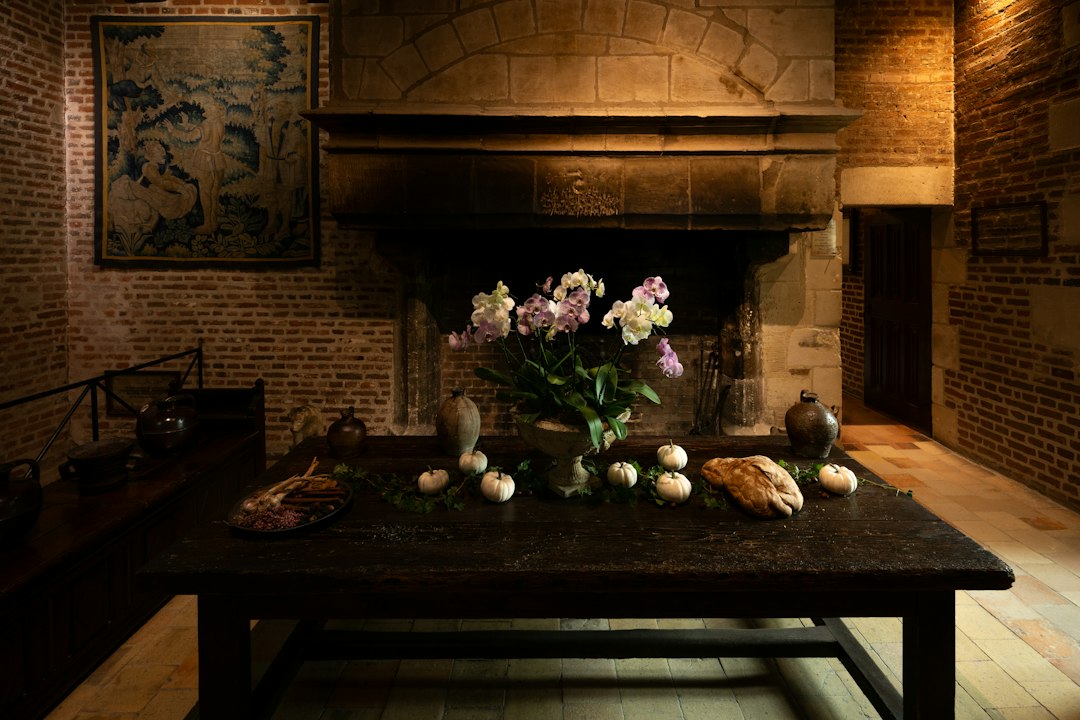
Chimney and Fireplace Repair in Lakewood
Find the symptom, name the cause, fix the part.
Chimney, fireplace and flashing repair come first, because that is where most of our calls begin. Below them are inspections, cleaning, gas work and the rest. Open the card that sounds like your problem.
Chimney Sweep
Smoke backing into the room, a tar smell on hot afternoons or a weak draw: we brush it out and say what it hid.
Chimney Inspection
A cracked tile, a draft that changed or a stain on the breast: the inspection finds the cause and grades how urgent it is.
Chimney Repair
Loose brick, a leaning stack, crumbling joints or a split crown traced to its cause, then repaired before the next storm widens it.
Fireplace Inspection
Smoke curling out under the opening, a hot mantel or a split firebrick: we check the fireplace parts you sit next to.
Fireplace Repair
Gaps between firebricks, a split back panel, a damper that will not budge or smoke spilling into the room, fixed at the source.
Chimney Level 2 Inspection
Video of every flue when something has happened: a chimney fire, a quake, a fuel change, new damage or a sale.
Chimney Cap Installation
Birds in the flue, rain dripping on the damper or a rusted cap lying on the lawn: a measured new cap ends it.
Chimney Flashing Repair
A ceiling stain beside the chimney, damp attic wood after rain or lifted metal at the roof line points to failed flashing.
Chimney Masonry Repair
Flaking brick faces, sand on the roof and joints you can scratch out with a key mean the masonry is taking on water.
Chimney Rebuilds
A stack that leans, rocks when pushed or has loose courses at the top is past patching and needs rebuilding.
Fireplace Cleaning
Soot on the surround, cloudy glass or an ashy smell in the room cleared, with any damage underneath pointed out.
Gas Fireplace Cleaning
A gas flame burning orange, glass gone milky or a sputtering pilot often needs a cleaning more than a new part.
Gas Fireplace Repair
The pilot dies, the burner will not catch or the remote does nothing: we test each part in order and fix the failed one.
Fireplace Remodel
Cracked tile around the opening, a loose mantel or a surround too close to the fire, rebuilt as new finish work.
Fireplace Inserts
A fireplace that heats the chimney instead of the room, or leaks cold air all winter, can take a sealed insert.
Pellet Stove Repair
A pellet stove that never catches, quits mid-burn or blackens its glass usually has one fouled or failed part.
Wood Stove Repair
A wood stove that races through a load, leaks smoke at the door or will not hold a fire overnight has a worn part.
Gas Logs
A wood fireplace you never light, or old gas logs that soot up the face, can take a new set matched to the opening.
Chimney Seismic Retrofit
A brick chimney with old quake cracks, a gap at the wall or a heavy top section can be braced, strapped or lightened.
Chimney Crown Repair
Water in the firebox after rain, chunks on the roof or open cracks up top mean the crown is letting water into the brick.
Dryer Vent Cleaning
Clothes still damp after a full cycle, a hot laundry room or lint at the outside hood point to a clogged dryer duct.
Chimney Liner Installation
A cracked clay tile, gaps on camera, or a new insert or furnace needing its own flue calls for a new liner.
Chimney Leak Repair
Drips on the hearth, a damp patch on the chimney breast or a musty smell after storms traced to the true entry point.
Chimney Waterproofing
Brick that stays dark for days after rain, white salt bloom or damp inside the firebox means the masonry is soaking up water.
Chimney Damper Repair
Cold drafts from a closed fireplace, a handle that will not move or smoke with the damper open point to a failed damper.
Chimney Chase Cover
Rust streaks down the siding, water in a factory fireplace or a sagging metal top means the chase cover has failed.
Sold, listed, managed or flagged: pick your page
Sellers, buyer's agents, HOA boards and owners holding a failed report each get a page here that starts from their problem and ends with a priced next move.
Selling a house
Sellers: find the chimney problem yourself, before a buyer's inspector puts it in writing and prices it for you.
Buyer's agents
Buyer's agents: a camera inspection booked inside the contingency window, with findings your client can carry straight into a repair request.
HOA boards and managers
HOA boards and managers: shared stacks, common-room fireplaces and a dated record per fireplace for the board's files.
Failed report repairs
A failed chimney report broken into three rounds of work: what stops water and fire now, what follows, and what can wait.
Based in Lakewood, fixing chimneys in Artesia, Long Beach and Westminster.
Every city below has its own Benton page: the houses we see there, the weather that wears them, and the faults we get called to fix most.
Home Base
Lakewood
Where our crews set out from
Cause first
Before any part is ordered
7 AM to 7 PM
When we return calls
Pick your city to see what tends to fail there, from rusted caps near the harbor to cracked crowns on postwar tract stacks.
Lakewood
Our home base, the tract city built from 1950 to 1953
Drips in the firebox tend to start with the November to March rains, and a split crown is the usual entry point. A fault, Newport-Inglewood, sits just past town to the southwest, so our repair visit includes every mortar joint up top.
Artesia
Old dairy settlement, now home to Pioneer Boulevard's Little India
A cap that rattles after a dry Santa Ana day has worked loose and will soon let rain and birds in. Winter storms from November through April then search out every gap in an aging crown.
Long Beach
Port and beach city with Craftsman, Spanish Revival and postwar blocks
Coastal salt, strongest near the sand and the port, rusts plain steel, so a corroded cap gets swapped for coastal grade metal. Quake risk is local too: Newport-Inglewood runs under the city, and a jolt can split a crown before any stain appears.
Westminster
Little Saigon city of 1950s to 1970s ranch tracts
Fall and winter Santa Ana gusts can tear off a poorly fixed cap and drop embers on the roof. Strong marine influence also keeps crowns damp, so a hairline crack stays wet and keeps opening.
Beyond These Four
136 more Benton city pages
Across Los Angeles County and into Orange County.
Symptoms, causes, prices and timing
What owners around Lakewood and Long Beach ask when a chimney or fireplace starts acting up.
Where is Benton Chimney Company based?
Lakewood. Most calls come from Lakewood itself, Artesia, Long Beach and Westminster, and we take repair work in the other cities listed on our areas page.
Smoke comes into the room when we light a fire. Why?
Smoke drifts into the room when something above the fire slows it down. The damper plate may hang partway closed, soot or debris may have narrowed the flue, the air in the stack may still be cold when the season opens, the smoke chamber walls may be too rough, or the opening may be wider than the flue can serve. A visit pins down which one, and each has a different repair.
There is a stain on the ceiling next to the chimney. Roof or chimney?
Often the chimney. Flashing at the roof line, a cracked crown, a missing cap and porous brick can all put water in that spot. We look at each before anyone tears into the roof, so the repair goes where the water really enters.
Can I still use the fireplace while a repair waits?
Sometimes. A worn joint on the outside face can wait a season. A cracked flue tile, a gap in the firebox or a damper rusted shut cannot. We say which side of that line your problem sits on, in plain words, before we leave.
What does a repair cost?
Our set prices are a Level 1 inspection at $52, a Level 2 at $375, sweeping from $405, crickets at $430 to $970, a cricket with new flashing at $645 to $1,600 and leak repair at $540 to $3,200. Caps are quoted after we measure. Other work gets a written price per line once we have seen the damage.
What happens if I leave it?
Most chimney damage is driven by water, and water does not stop. An open joint lets rain into the brick, the brick flakes, the next joint opens. A crack you could seal this winter can mean a crown rebuild in two. We price both now and later so the choice is yours.
Do I need an inspection before you repair anything?
For small, visible jobs such as a cap or a loose brick, no. When the cause is hidden, a Level 1 at $52 or a Level 2 at $375 with a camera through the flue tells us where to work, so you do not pay for the wrong fix.
Bricks are coming loose at the top of the chimney. Is that dangerous?
It can be. Loose courses at the top can fall onto the roof, the yard or a walkway, and they show the stack has lost its grip. Keep people clear of that side of the house and do not light a fire until we have looked at it.
My gas fireplace clicks but will not light. Is that a big repair?
Rarely. A clicking igniter with no flame usually means a dirty pilot, a weak thermocouple or thermopile, or a gas valve that is shut. We test the parts in order and price the one that failed before changing it.
Can you fix items from a home inspection report?
Yes. Send the lines that mention the chimney or fireplace through the contact page. We look at each one, confirm the cause, and price the repairs one line at a time.
Do you repair factory-built and metal chimneys too?
Yes. Many homes around Lakewood have a factory-built fireplace in a framed chase. We work on their panels, glass, chase covers and vent pipe, using parts listed for the unit.
How do I book a visit?
Use the form on the contact page. Tell us what you are seeing, smelling or hearing, which room it is in and whether the house has more than one fireplace. We call back to set the visit.
Seeing something not covered here? Ask us about it.
Call (562) 449-0260Something failing? We find out why before we fix it.
Ask Benton to Look
A name, a number and the closest repair from the list. We phone back to hear what the chimney is doing.
From the first drip to the finished fix
Five steps, always in this order. We trace the cause before any material is bought, so the money goes to the part that actually failed.
Tell Us the Symptom
A stain, a smell, smoke in the room, loose brick or a part that quit. Use the contact page and say what you noticed and where.
We Find the Cause
On site we follow the symptom back to its source, with a camera in the flue when the damage is hidden from view.
You See the Damage
Photos of what failed, in the order it matters, with a plain answer on whether the fireplace is safe to light.
Priced Line by Line
Each repair gets its own written price, with a note on what happens if it waits a season.
Repair and Check
We fix the items you approve, test the fireplace or chimney afterward and leave photos of the finished work.
Chimney repair that starts where you first saw the problem.
Benton Chimney Company repairs chimneys and fireplaces from Lakewood, a city of postwar tract homes where many original brick stacks are now wearing out at the top.
Most of our calls begin with a sign: a ceiling stain after rain, smoke that will not go up, grit on the roof, a gas flame that will not catch. We start with that sign and work back to the part that failed.
Then we tell you what we found, in order of risk. A fault that can hurt someone or spread damage goes first. Wear that can hold for a season goes last, with a note on what it may cost if it waits.
- Lakewood
- Where our crews start out
- Traced
- Every fault back to its cause
- Itemized
- A price on each repair
Cause Before Cure
A stain or a smell is the end of a chain. We follow it back before any material is bought, so the money goes where the fault is.
Urgent Items First
Each finding is marked as fix now, fix soon or keep watching. Safety problems sit at the top, looks at the bottom.
Prices You Can Split
Every repair is its own written line. You can approve one, defer another and ask about the rest. If more turns up mid-job, we stop and ask first.
Lakewood Base
We work out of Lakewood and know the tract chimneys, factory fireplaces and older brick stacks in the cities around it.